
Alex Douglas is a Licensed Clinical Social Worker (LCSW 127148) based in Hermosa Beach in the South Bay area of Los Angeles. He's a married father of two young children. He specializes in working with men who appear to have life figured out: high achievers with a seemingly ideal career, family, and public image. Yet under the surface, they're struggling with anger, intimacy, substance use, identity, and the quiet question of whether this is really all there is. Alex Douglas offers in-person therapy at his Hermosa Beach office, concierge house-call therapy across greater Los Angeles, and telehealth sessions throughout California.
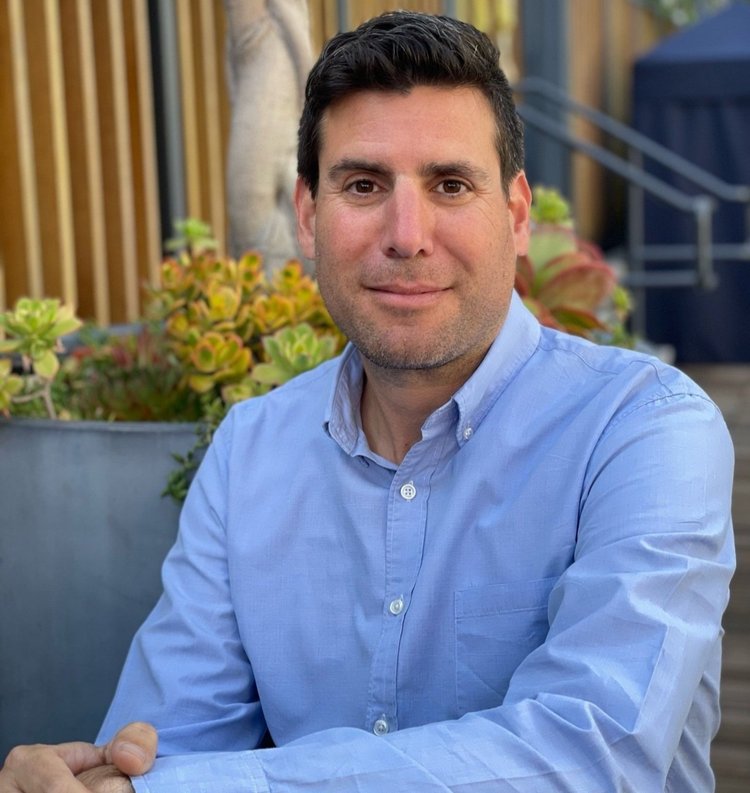
Alex Douglas
Licensed Clinical Social Worker · LCSW 127148
Therapeutic Modalities
- EMDR (EMDRIA-Approved)
- Depth Psychology
- Cognitive Behavioral Therapy (CBT)
- Narrative Therapy
- Existential Therapy
- Attachment-Based Therapy
- Somatic Therapy
Sex-Positive · Nonmonogamy-Allied · Kink-Allied · LGBTQIA+ Affirmative · Harm-Reduction Approach
Therapeutic Philosophy
I don't believe in therapy that keeps you comfortable. Comfort is what got you here: the comfortable numbness, the comfortable avoidance, the comfortable familiarity of being "fine." Real change happens in the uncomfortable space between who you've been and who you want to become.
My approach is direct, honest, and built on the idea that you need a safe space to identify your true self (AKA your gut), learn to trust listening to it, then make the life choices that align with it best. I meet clients with authenticity, fearlessness, warmth, and insight. One part hug, one part shove. No judgment. No agenda. Just the work.
I'm sex-positive, nonmonogamy-allied, kink-allied, and LGBTQIA+ affirmative. I utilize a trauma-informed, nonjudgmental, harm-reduction approach, incorporating elements of spirituality like mindfulness and acceptance.
How I Work
I draw from multiple therapeutic frameworks depending on what each client needs. No single approach works for everyone, and the best therapy adapts to you, not the other way around.
EMDR
Evidence-based trauma processing using bilateral stimulation. Particularly effective for complex trauma, childhood abuse, anxiety, and addiction.
Depth Psychology
Exploring the unconscious patterns, childhood experiences, and relational dynamics that drive present-day behavior.
Cognitive Behavioral Therapy (CBT)
Practical tools for identifying and changing thought patterns, behaviors, and emotional responses.
Narrative Therapy
Examining the stories you tell about yourself and rewriting the ones that no longer serve you.
Existential Therapy
Confronting questions of meaning, purpose, freedom, and mortality. The big questions that surface during life transitions.
Attachment-Based Therapy
Understanding how early relationships shape your ability to connect, trust, and feel secure in adult relationships.
Somatic Therapy
Working with the body's stored trauma and tension, because not everything can be resolved through conversation alone.
Is This the Right Fit?
A good fit if you're:
- A high-achieving man feeling disconnected from yourself or others
- A creative or executive navigating burnout
- Someone seeking trauma processing through EMDR
- Approaching addiction or substance use without 12-step framing
- A parent or teen needing direct, non-clinical conversation
Not the right fit if you're:
- Looking for medication management (LCSWs don't prescribe)
- In acute crisis requiring inpatient or intensive outpatient care
- Seeking court-ordered or mandated treatment
- Needing insurance billing as primary payment